Sep. 16, 2026
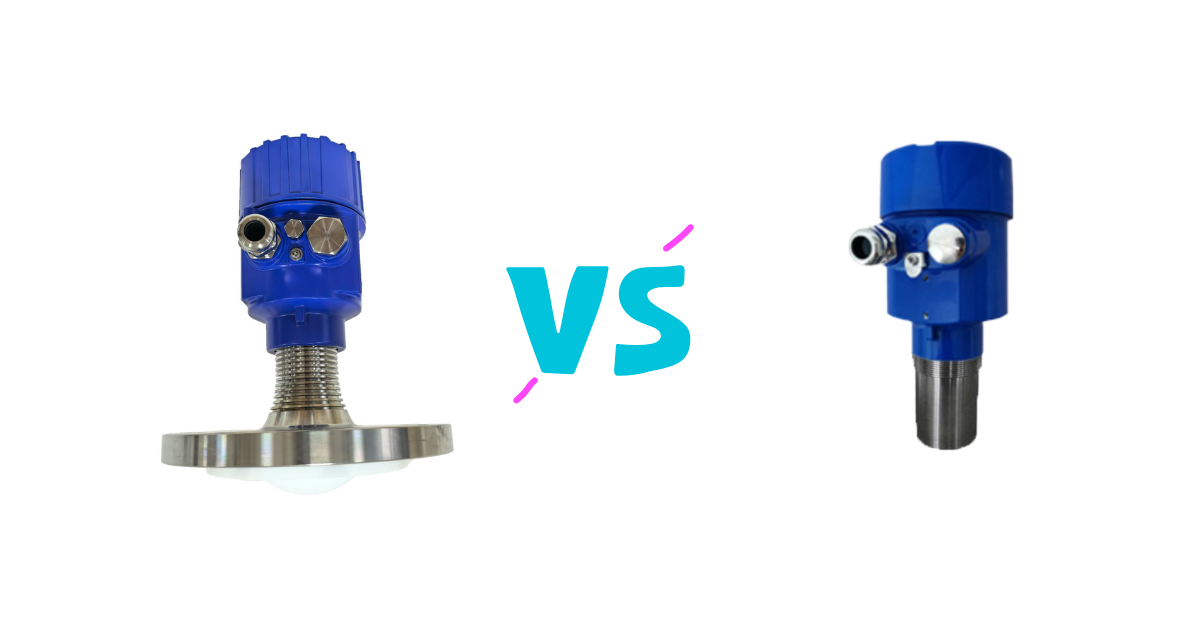
Radar level transmitters and ultrasonic level sensors are two mainstream non-contact industrial level measuring devices, widely used in water treatment, chemical, petroleum, food, pharmaceutical and bulk material storage industries. Both devices realize real-time liquid and solid level monitoring without contacting the measured medium, effectively avoiding equipment corrosion and medium pollution problems.
However, due to different core working principles, the two devices show obvious differences in measurement stability, environmental adaptability, precision and applicable working conditions. Many engineering practitioners encounter inaccurate measurement, signal fluctuation and short service life due to incorrect model selection. This article comprehensively compares the two devices from multiple dimensions to provide objective reference for industrial instrument selection.
The ultrasonic level sensor relies on mechanical sound wave transmission. It emits high-frequency ultrasonic pulses (40kHz-200kHz) through the probe. The sound waves propagate in the air, reflect when touching the medium surface, and the sensor receives the reflected echo signal. The system calculates the distance between the probe and the medium surface based on the sound wave round-trip time and real-time air sound speed, so as to obtain the accurate level value.
Core limitation: Ultrasonic wave is a mechanical wave, which must rely on air medium for propagation. It is easily attenuated and interfered by external environmental factors such as temperature, humidity, steam, dust and foam.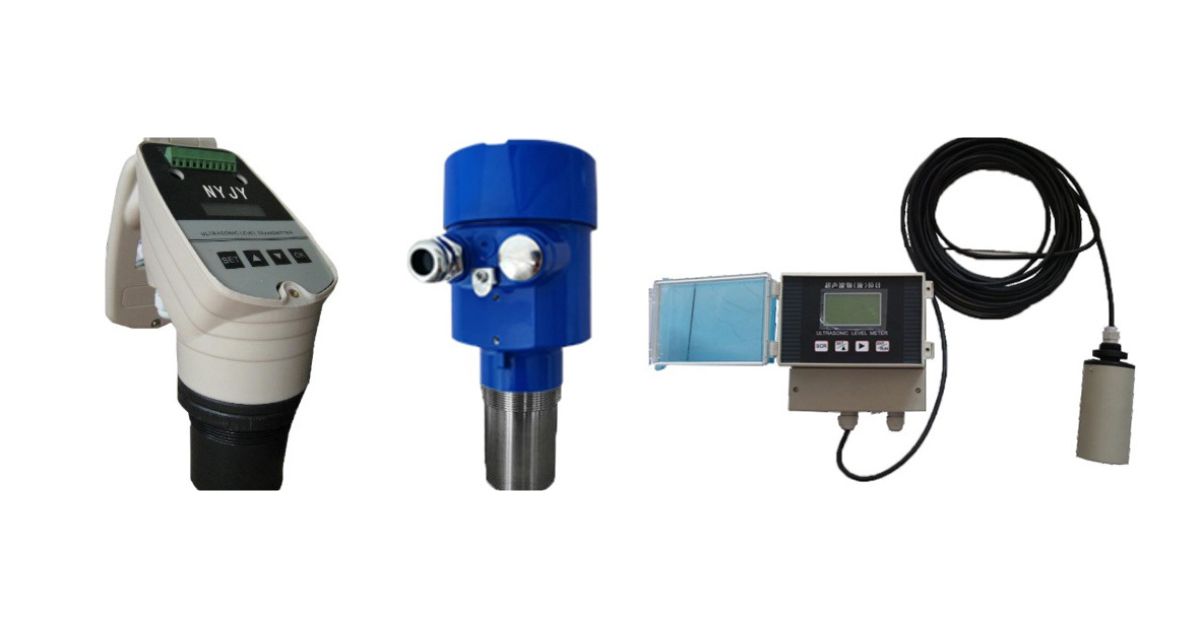
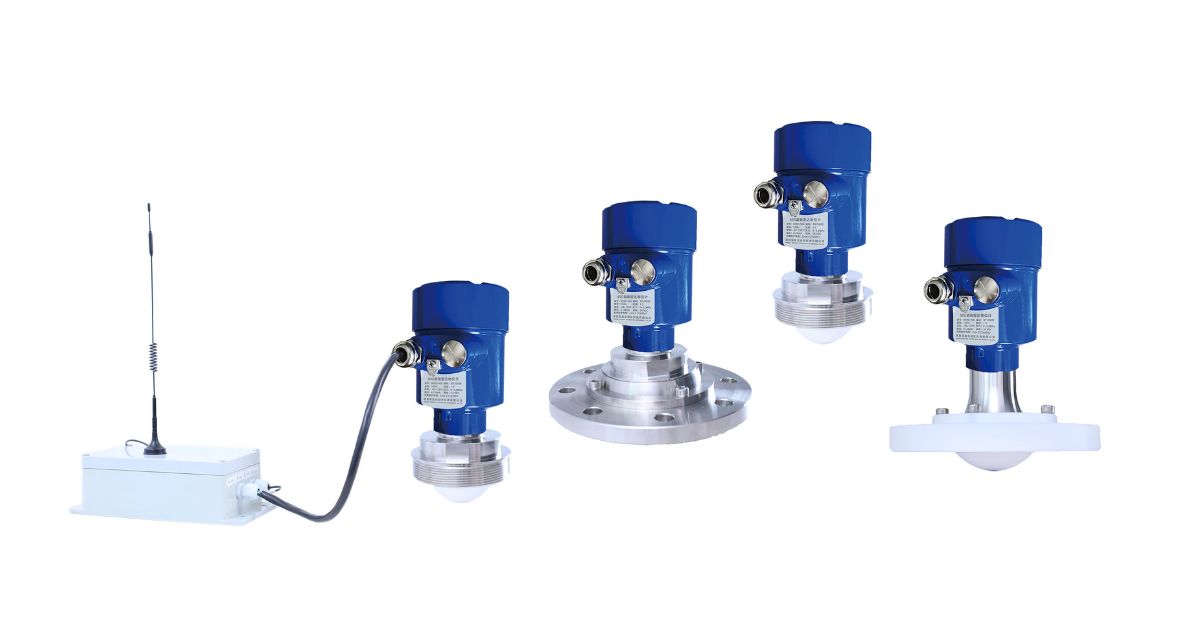
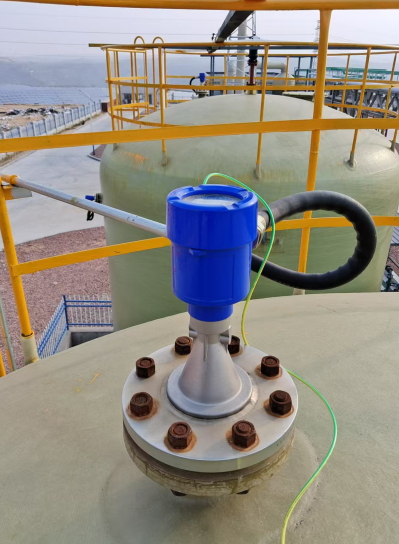
The radar level transmitter adopts high-frequency electromagnetic wave ranging technology (common 26GHz, 80GHz frequency bands). The antenna emits microwave electromagnetic signals, which reflect on the medium surface. The sensor captures the reflected microwave signals, and calculates the level height through precise algorithm based on the transmission time and frequency difference of electromagnetic waves.
Core advantage: Electromagnetic waves can propagate without air medium, with strong penetration. They are barely affected by steam, dust, foam, high temperature and low pressure environments, and only related to the dielectric constant of the measured medium.
The following table intuitively sorts out the differences between radar level transmitter and ultrasonic level sensor in core performance, working conditions and use characteristics, covering all key reference dimensions for engineering selection:
|
Comparison Dimension |
Ultrasonic Level Sensor |
Radar Level Transmitter |
|---|---|---|
|
Working Principle |
Mechanical ultrasonic wave, air medium dependent |
High-frequency electromagnetic wave, medium independent |
|
Measurement Accuracy |
Medium, conventional error 0.5%FS, typical precision ±3~10mm |
High, high-frequency radar up to ±1~2mm error, stable long-term precision |
|
Maximum Measuring Range |
Limited, conventional models within 20m |
Wide range, high-power models up to 120m |
|
Blind Area |
Large, obvious near-end blind area, not suitable for short-distance measurement |
Small, ultra-small blind area design, suitable for various tank body measurement |
|
Temperature Adaptability |
Ordinary, affected by air temperature change, large error in high/low temperature environment, working temperature generally -20℃~60℃ |
Strong, basically not affected by ambient temperature, adapt to -40℃~200℃ high and low temperature working conditions |
|
Environmental Anti-interference |
Weak, easily interfered by steam, fog, dust, liquid surface foam, signal attenuation or loss easily occurs |
Strong, can penetrate steam, dust, thin foam, stable signal in harsh environments |
|
Pressure Adaptability |
Only suitable for normal pressure environment, not for vacuum and pressurized tanks |
Adapt to vacuum, normal pressure and low-medium pressure sealed tank working conditions |
|
Medium Adaptability |
Suitable for clean liquid with stable medium state |
Suitable for liquid, slurry, granular solid materials, adaptable to complex medium state |
|
Installation & Maintenance |
Simple structure, convenient installation, low later maintenance cost |
Compact structure, standardized installation, low failure rate, no frequent maintenance |
|
Cost Performance |
Low overall cost, high cost performance for conventional simple working conditions |
Higher initial cost, better long-term stability and lower comprehensive operation cost |
Core Advantages
Cost-effective: The equipment price is moderate, and the installation and debugging threshold is low, which is friendly to budget-limited conventional projects.
Simple operation: No complex parameter setting, stable operation in clean and stable conventional environment, and low daily maintenance difficulty.
Safe and reliable: No contact with the measured medium, no risk of medium leakage and equipment corrosion, and good safety for conventional water body measurement.
Main Limitations
The measurement result is greatly affected by ambient temperature and humidity, and the data drift is obvious in variable environment.
Steam, floating dust and liquid surface foam will absorb ultrasonic waves, resulting in weakened echo signals and inaccurate measurement data.
The measuring range is limited, and it is not suitable for high tank and large-range level monitoring scenarios.
Recommended Scenarios: Urban domestic sewage pools, clean water reservoirs, rainwater tanks, open storage tanks, indoor conventional temperature and dust-free simple industrial water tanks.
Core Advantages
Strong environmental adaptability: Electromagnetic wave signal is stable, not affected by steam, fog, dust and foam, and can work stably in harsh industrial environments for a long time.
High measurement precision: Adopt high-frequency radar algorithm, with small measurement error and good long-term stability, meeting high-precision industrial monitoring requirements.
Wide application range: Adapt to high temperature, low temperature, vacuum and pressurized sealed tanks, and can measure liquid, slurry, granular materials and other media.
Long service life: The probe has no vulnerable parts, no mechanical wear, low failure rate and stable long-term operation.
Main Limitations
The initial procurement cost is higher than that of ultrasonic sensors, with certain cost threshold for small conventional projects.
The measurement effect is related to the dielectric constant of the medium, and the measurement signal of ultra-low dielectric constant medium is weak.
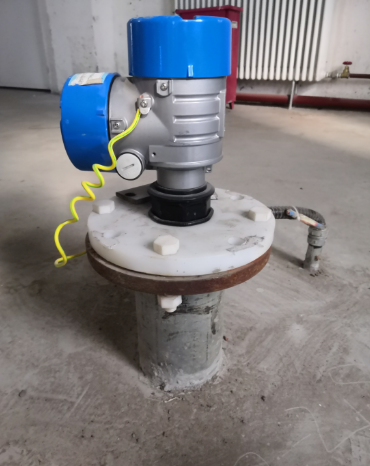
Recommended Scenarios: Chemical reaction kettles, high-temperature storage tanks, oil storage tanks, dust-containing solid material silos, sealed pressurized tanks, industrial scenarios requiring high-precision inventory management.
In actual engineering selection, working condition adaptability is the primary judgment standard, and cost performance is the auxiliary reference. The following clear selection rules can avoid mismatching equipment:
Choose Ultrasonic Level Sensor if you meet the conditions below:
The working environment is open, with normal temperature and pressure, no steam, no obvious dust and foam;
The measured medium is clean water or low-viscosity stable liquid, with single working condition;
The measuring range is within 20m, and the requirement for measurement precision is conventional;
The project budget is limited, and high cost performance equipment is required.
Choose Radar Level Transmitter if you meet the conditions below:
The working environment is harsh, with high temperature, low temperature, steam, fog, dust or liquid surface foam;
Sealed tank, vacuum or pressurized container measurement scenario;
Need high-precision measurement data, suitable for material inventory statistics and custody transfer monitoring;
Long-term continuous operation is required, and low failure rate and high stability are pursued.
Myth 1: High-priced equipment is always better
Radar transmitters have higher precision and stability, but they are not required for all scenarios. Conventional clean water tank measurement can fully meet the demand with ultrasonic sensors, and excessive pursuit of high-end equipment will cause cost waste.
Myth 2: Ultrasonic sensors can adapt to all open working conditions
Even in open environments, seasonal temperature changes, water surface atomization and floating dust will affect ultrasonic measurement accuracy. For scenarios with fluctuating environmental conditions, radar equipment is more reliable.
Myth 3: All radar transmitters have the same performance
Different frequency bands of radar transmitters have different performances. High-frequency 80GHz radar has smaller blind area and higher precision, suitable for small tanks and high-precision scenarios; low-frequency radar is more suitable for large-range and strong-interference working conditions.
Radar level transmitters and ultrasonic level sensors have their own applicable scenarios and advantages, and there is no absolute distinction between good and bad. Ultrasonic level sensors are cost-effective and easy to operate, which is the preferred choice for conventional stable working condition level measurement. Radar level transmitters rely on strong anti-interference, high precision and wide adaptability, and are more suitable for harsh industrial working conditions and high-precision monitoring scenarios.
In engineering application, targeted selection according to actual working environment, medium characteristics and precision requirements can maximize the use value of equipment, reduce measurement errors and later operation and maintenance costs.
Professional OEM & ODM Manufacturer
Tailored products to meet your complex working conditions.

Shaanxi NuoYing Automation Instruments Co., Ltd.
Navigation
Navigation
Contact Us
+86 182 1004 9286
+86 182 1004 9286
+86 182 1004 9286
Block V5, Ronghao Industrial Town, Gaoling District, Xi'an, Shaanxi, China.