Sep. 20, 2026
High-temperature molten materials are widely seen in metallurgy, basalt processing and molten metal production. Such media feature ultra-high temperature, corrosive properties, volatile components and frequent surface fluctuation. Conventional level detection solutions struggle to work reliably under these harsh conditions, often resulting in signal deviation, equipment damage or monitoring interruption.
Manual inspection, contact thermocouple measurement and simple ranging tools can hardly deliver continuous measurement. They also bring safety risks and delayed data feedback, which may lead to overflow, unbalanced feeding and unstable production parameters. In this context, molten level monitoring and molten level tracking become essential technical means to build a stable automatic control system for molten material production.
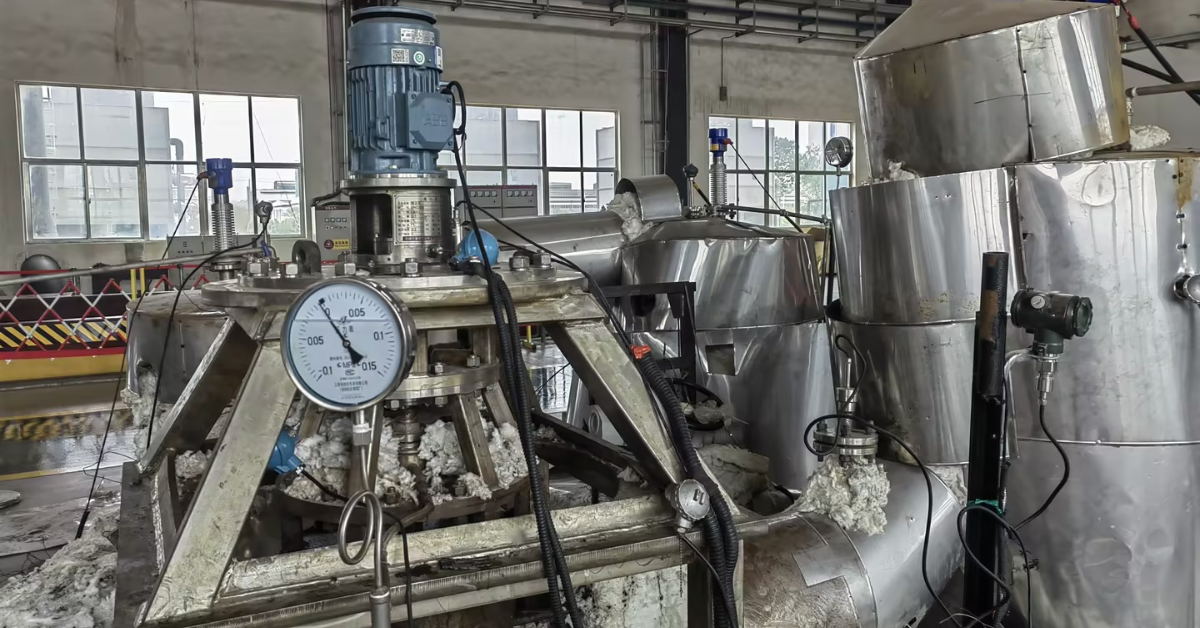
Molten level monitoring refers to real-time data acquisition and status observation technology for high-temperature molten liquid. It continuously collects level height, surface condition and fluctuation data. Adopting non-contact detection principle, it avoids direct contact between sensors and hot molten media. The system can withstand ultra-high temperature environments and resist interference from dust, steam and strong thermal radiation in the furnace site, maintaining continuous and stable data output.
In industrial operations, molten level monitoring provides real-time data to the central control system. Operators can keep track of molten material volume inside furnaces and reactors and spot abnormal conditions at an early stage.
Molten level tracking builds on real-time monitoring and focuses on dynamic trend analysis of molten level. It records level rising or falling speed and periodic fluctuation patterns. Compared with basic monitoring functions, molten level tracking captures subtle level changes and establishes complete change logs.
Simply put, molten level monitoring focuses on capturing current level status, while molten level tracking analyzes dynamic change trajectories. Combined together, they form a complete solution including real-time reading, historical tracing and trend estimation, suitable for refined management of high-temperature molten processes.
| Detection Method | Condition Adaptability | Working Mode | Anti-interference Performance | Available Data | Maintenance Cost | Typical Application |
|---|---|---|---|---|---|---|
| Manual visual inspection | Poor, not fit for sealed high dust furnaces | Intermittent reading, no continuous records | Very weak, affected by environment and personal experience | Rough level estimation without precise values | High labor and safety cost | Simple open low-temperature molten process |
| Contact thermocouple level detection | Fair, probes easily corrode or burn at high temperature | Semi-continuous measurement, prone to signal loss | Weak, thermal radiation distorts sensor signals | Static level data, no trend tracking | Frequent consumable replacement, heavy maintenance | Static measurement for medium and low temperature molten liquid |
| Standard infrared level detector | Good for high temperature, sensitive to strong light interference | Continuous real-time monitoring | Medium, dust and strong light reduce stability | Real-time level reading, no trend analysis | Moderate maintenance cost, limited stability | Conventional static high temperature molten material monitoring |
| Intelligent system with molten level monitoring + molten level tracking | Excellent, stable in ultra-high temperature, high dust sealed furnace | 24h continuous monitoring + dynamic tracking | Strong, resists dust, steam and thermal radiation | Real-time level, fluctuation curve, rate change, abnormal log | Low long-term maintenance, less component wear | Metallurgy, basalt melting and precision molten metal production |
✅ Non-contact measurement improves operation safety The detection unit does not touch high-temperature molten flow. It removes the risk of probe melting and corrosion, and reduces requirements for close manual operation. It matches unmanned monitoring requirements for sealed melting equipment.
✅ Complete data set supports refined production Molten level monitoring collects real-time level data, while molten level tracking records variation trends. Operators can view instant status and review historical fluctuation patterns, supporting adjustment of feeding rate, furnace temperature and production capacity.
✅ Strong anti-interference for harsh working conditions The technology works steadily with floating dust and steam inside furnaces. It is less affected by surface turbulence and thermal radiation, preventing signal drift and disconnection during production.
✅ Automatic alarm linked to control system Measured data can connect with industrial control platforms. The system will trigger alerts when molten level or changing speed exceeds preset ranges. Operators can adjust parameters timely to avoid overflow, material shortage or incomplete melting.
Molten level monitoring and molten level tracking are adopted in many industries handling high-temperature molten media:
To keep molten level monitoring and molten level tracking running reliably, site configuration needs careful planning:
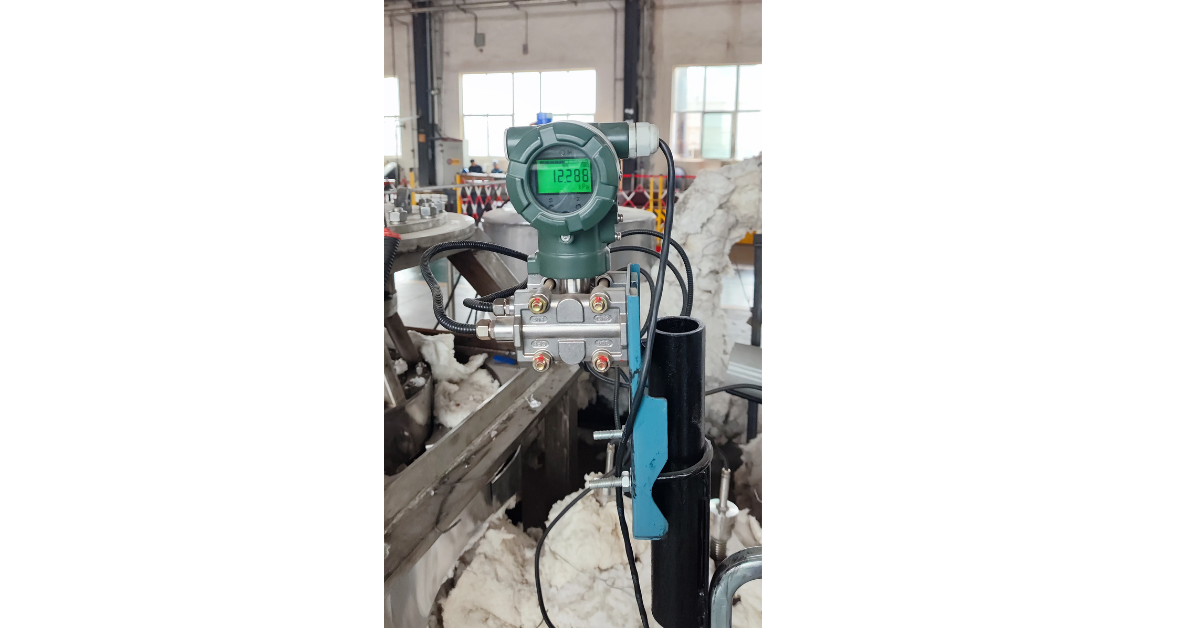
The core challenge of high-temperature molten material control lies in stable, real-time and dynamic level measurement. Molten level monitoring delivers reliable real-time level data for furnace operation. Molten level tracking adds dynamic tracing capability to record and predict molten level variation. The combination replaces traditional rough inspection methods, supporting safer, automated and refined molten production. It represents a practical direction for furnace level management in high-temperature industrial processes.
Professional OEM & ODM Manufacturer
Tailored products to meet your complex working conditions.

Shaanxi NuoYing Automation Instruments Co., Ltd.
Navigation
Navigation
Contact Us
+86 182 1004 9286
+86 182 1004 9286
+86 182 1004 9286
Block V5, Ronghao Industrial Town, Gaoling District, Xi'an, Shaanxi, China.