Sep. 18, 2026
Level measurement is a core part of chemical tank process control, covering raw material storage tanks, reaction tanks, sewage tanks, and finished product storage tanks in chemical plants. Different chemical media have complex characteristics including corrosion, volatility, foaming, high temperature, high pressure, and flammability, which put forward strict requirements on the stability, accuracy, and safety of level transmitters.
There is no one-size-fits-all level transmitter for all chemical tank scenarios. The suitable equipment needs to be matched according to medium properties, tank structure, working environment, and measurement accuracy requirements. This guide systematically sorts out the mainstream level transmitters for chemical tanks, compares their performance parameters, applicable scenarios, and advantages and limitations, helping industrial users complete reasonable equipment selection.
At present, the level transmitters widely used in chemical tank measurement are mainly divided into five categories: radar level transmitter, guided wave radar level transmitter, hydrostatic level transmitter, ultrasonic level transmitter, and capacitance level transmitter. Each technology has independent working principles and scenario advantages, adapting to different harsh chemical working conditions.
Radar level transmitters calculate liquid level height through microwave time-of-flight principle. The 80GHz high-frequency FMCW radar is the mainstream product in the chemical industry in recent years. It adopts a fully non-contact measurement method, with no direct contact between the sensor and the chemical medium, avoiding equipment damage caused by medium corrosion and adhesion.
This type of transmitter has strong environmental adaptability, can work stably in the environment of steam, foam, dust, and liquid agitation inside the tank, and is not affected by medium density, temperature, and pressure changes. It is a common measurement solution for high-standard chemical storage and reaction tanks.
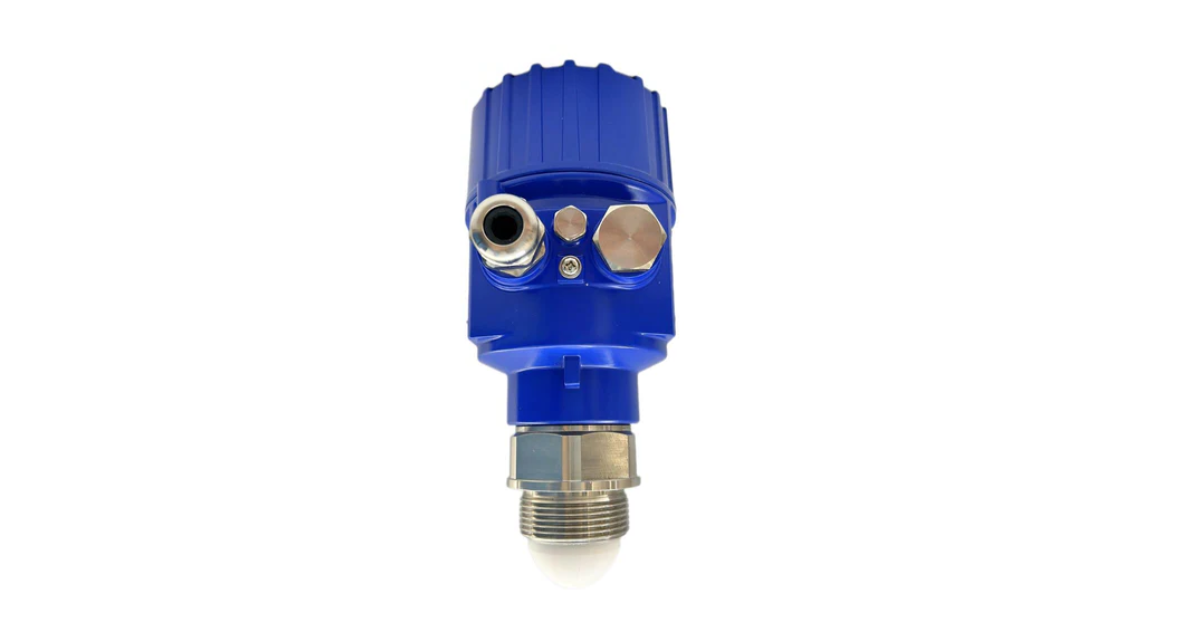
Guided wave radar transmits microwaves along the probe and calculates the liquid level by detecting reflected signals. Compared with non-contact radar, it has stronger anti-interference ability, more stable measurement in narrow tanks, small-diameter tanks and complex liquid working conditions, and can realize liquid level and interface measurement of two-phase media.
Equipped with PTFE, PFA and other anti-corrosion probes, it can adapt to most corrosive chemical media such as hydrochloric acid, sulfuric acid, and alkali liquid, making up for the measurement shortcomings of non-contact radar in complex small-space tanks.
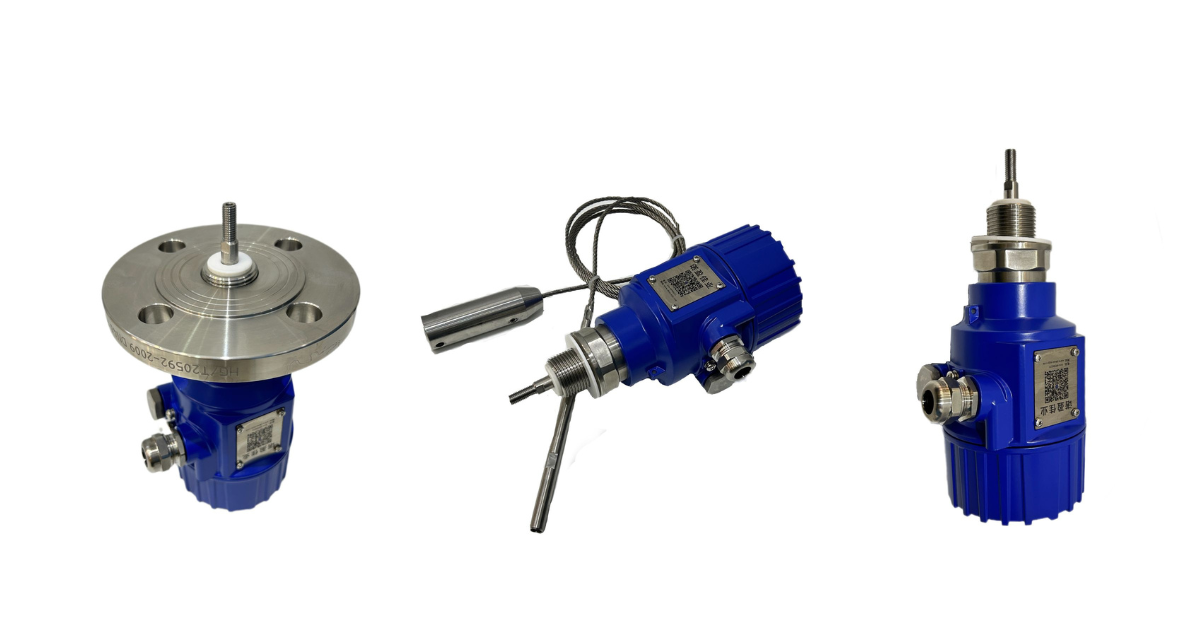
Based on the hydrostatic pressure principle, the transmitter converts the liquid pressure at the bottom of the tank into level signals. It features simple structure, convenient installation and stable performance, and is suitable for open and atmospheric chemical storage tanks.
After adopting anti-corrosion wetted parts such as PTFE/PFA diaphragm and 316L stainless steel shell, it can adapt to weakly corrosive chemical media. It is a cost-effective choice for conventional chemical water tanks, dilute solution storage tanks and sewage tanks.
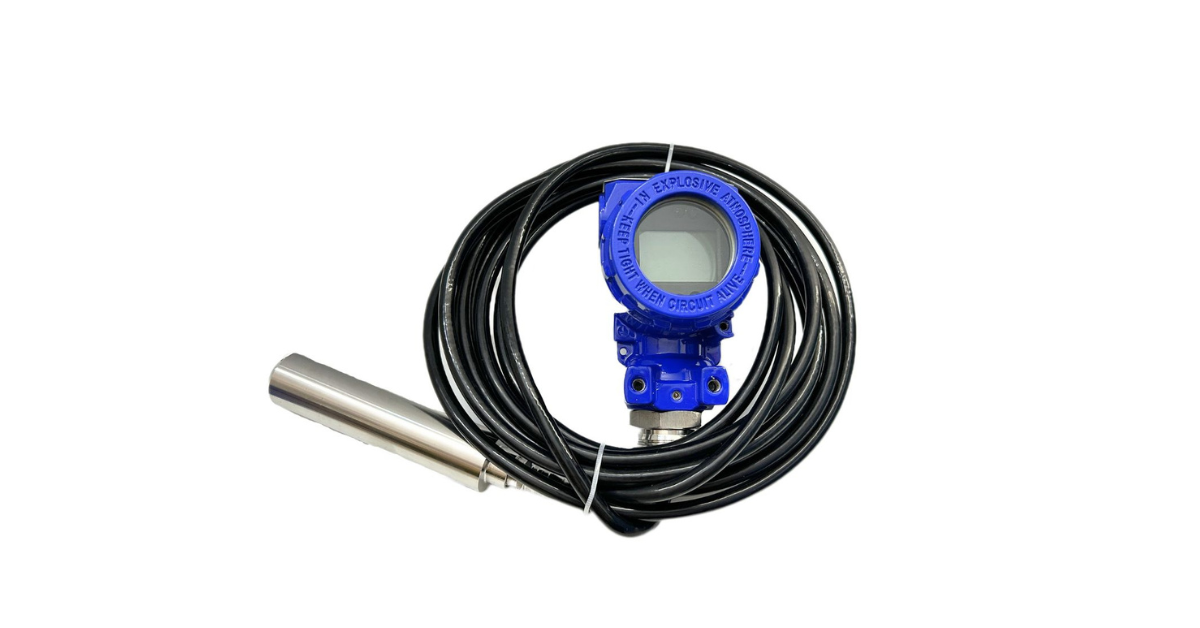
Ultrasonic transmitters use sound wave time-of-flight for non-contact level measurement, with low procurement cost and simple maintenance. They are suitable for clean, non-foaming, low-vapor chemical liquid scenarios with conventional temperature and pressure.
It should be noted that ultrasonic measurement is easily affected by steam, foam, and temperature changes in the tank, so it is not suitable for high-temperature volatile chemical tanks and reaction tanks with severe liquid agitation.
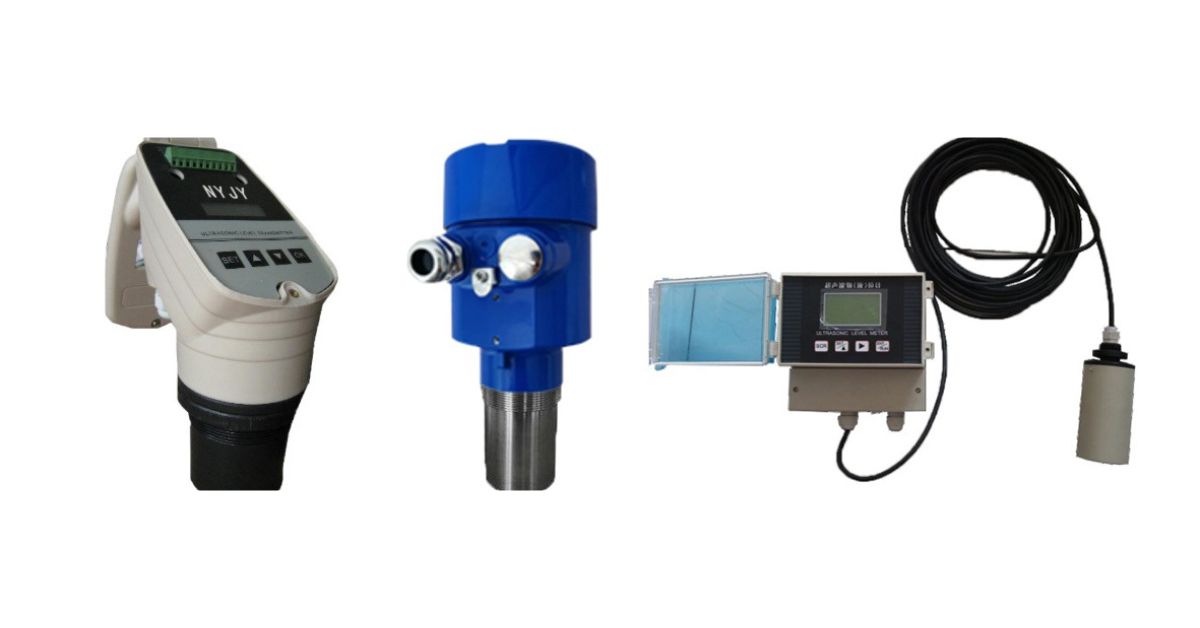
Capacitance transmitters rely on the capacitance change difference between gas phase and liquid phase to judge the liquid level. They can measure conductive and non-conductive media, with compact structure and low power consumption. They are mostly used for liquid level switch control and continuous measurement of conventional corrosive media.
The disadvantage is that it is sensitive to medium adhesion and temperature changes, and the measurement accuracy will be affected when the tank wall or probe is stained.
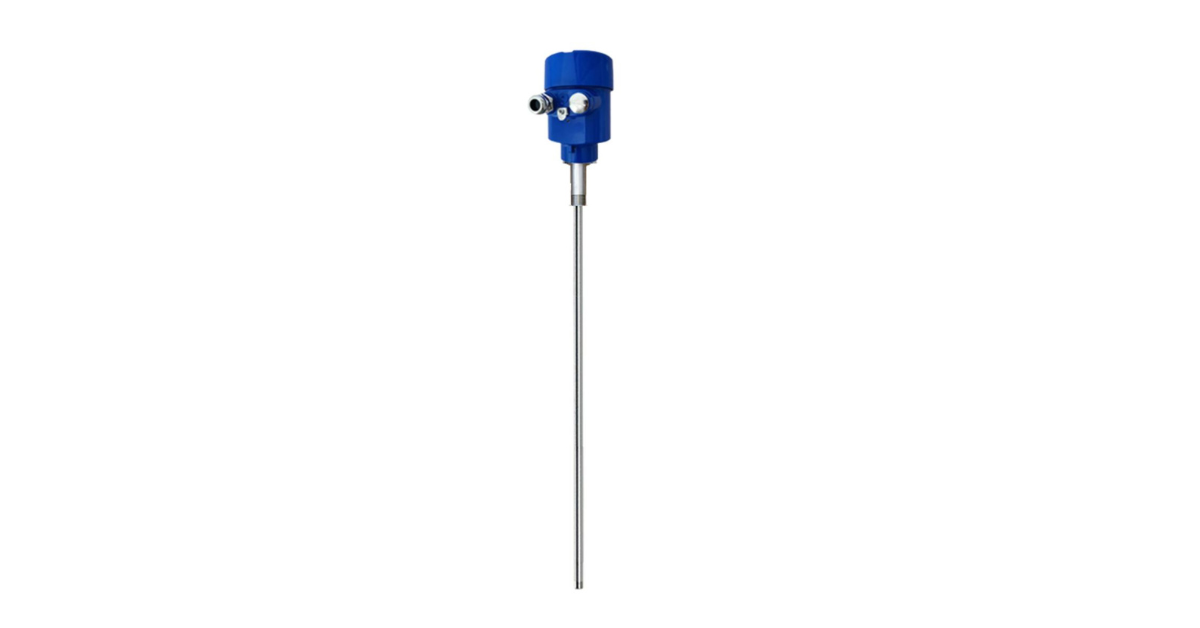
The following table intuitively compares the core parameters, adaptability, advantages and applicable scenarios of five mainstream level transmitters, covering key indicators concerned by chemical plant selection, to facilitate quick screening of suitable equipment.
|
Transmitter Type |
Measurement Method |
Accuracy |
Corrosion Resistance |
Anti-interference (Foam/Steam) |
Temperature & Pressure Adaptability |
Core Advantages |
Applicable Chemical Tank Scenarios |
|---|---|---|---|---|---|---|---|
|
80GHz FMCW Radar |
Non-contact |
±1~3mm |
Excellent (no wetted parts) |
Strong, stable measurement in foam/steam/dust environment |
Wide temperature range, adaptable to high-pressure sealed tanks |
High precision, strong stability, low maintenance, long service life |
Corrosive medium storage tanks, reaction tanks, high-precision monitoring tanks, flammable and explosive chemical tanks |
|
Guided Wave Radar |
Contact (probe contact) |
±2~5mm |
Good (PTFE/PFA probe optional) |
Strong, suitable for turbulent liquid level |
Adaptable to medium and high temperature and pressure |
Stable signal, support interface measurement, suitable for narrow tanks |
Small-diameter chemical tanks, two-phase liquid storage tanks, intermediate reaction tanks |
|
Hydrostatic |
Submersible contact |
±0.1~0.2%FS |
Medium (dependent on diaphragm material) |
General, easily affected by liquid turbulence |
Suitable for normal temperature and atmospheric pressure |
Low cost, simple installation, convenient calibration |
Open chemical sewage tanks, dilute solution storage tanks, atmospheric water storage tanks |
|
Ultrasonic |
Non-contact |
±0.5~1%FS |
Excellent (no medium contact) |
Weak, invalid in heavy foam/steam |
Suitable for normal temperature and conventional pressure |
Economical, no wear and tear, easy maintenance |
Clean chemical liquid tanks, non-volatile solution storage tanks, conventional water treatment tanks |
|
Capacitance |
Contact |
±1~2%FS |
Good (anti-corrosion probe optional) |
General, susceptible to medium adhesion |
Conventional temperature and pressure |
Compact structure, low power consumption, wide medium adaptability |
Conventional chemical buffer tanks, liquid level limit monitoring tanks |
Chemical working conditions are complex and variable. When selecting level transmitters, it is necessary to focus on medium characteristics, tank operating conditions and safety specifications, and avoid blind selection. The following core criteria can effectively improve the matching degree of equipment and working conditions.
Strong corrosive media such as concentrated hydrochloric acid, concentrated sulfuric acid, strong alkali liquid are not suitable for metal contact measurement. Non-contact radar transmitters are preferred to avoid equipment corrosion and failure. For weak corrosive dilute solutions, hydrostatic and capacitance transmitters with anti-corrosion accessories can be selected to control costs.
For chemical reaction tanks with foam, steam, liquid agitation and dust, ultrasonic transmitters are prone to measurement deviation. Radar and guided wave radar transmitters with strong anti-interference performance are the preferred solutions to ensure continuous and stable measurement data.
High-temperature and high-pressure sealed chemical tanks have strict requirements on equipment pressure resistance and temperature resistance. Radar and guided wave radar transmitters with high-temperature and high-pressure customized specifications can adapt to extreme working conditions; hydrostatic and ultrasonic products are more suitable for normal temperature and atmospheric pressure open tanks.
Most chemical media are flammable and explosive. Level transmitters used in chemical tanks must have explosion-proof certification (ATEX, IECEx, etc.) to meet plant safety production specifications and avoid safety hazards caused by electrical equipment.
For refined chemical production and high-value medium storage tanks requiring high-precision monitoring, high-frequency radar transmitters with millimeter-level accuracy are matched. For conventional storage and sewage tanks with low precision requirements, economical ultrasonic and hydrostatic transmitters can meet the demand.
Scenario 1: Strong corrosive chemical sealed tanks (acid, alkali, organic solvent) Recommended: 80GHz FMCW Radar Level Transmitter Reason: Fully non-contact measurement, no corrosion risk, stable against steam and foam, high precision and explosion-proof, suitable for long-term stable operation of harsh working conditions.
Scenario 2: Small-diameter narrow tanks & two-phase medium tanks Recommended: Guided Wave Radar Level Transmitter Reason: Concentrated microwave signal, not affected by tank space, support liquid-liquid interface measurement, stable data output.
Scenario 3: Open chemical sewage tanks & dilute solution storage tanks Recommended: Hydrostatic Level Transmitter Reason: Cost-effective, simple installation and maintenance, stable measurement for normal atmospheric open tank working conditions.
Scenario 4: Clean non-volatile chemical liquid conventional tanks Recommended: Ultrasonic Level Transmitter Reason: Low cost, non-contact, no medium pollution, meeting conventional level monitoring demands.
Avoid installation dead zones: Do not install the transmitter at the tank inlet, outlet or stirring area to prevent liquid impact and turbulence from affecting measurement accuracy.
Match anti-corrosion accessories: For contact measuring equipment, select matching wetted parts materials (PTFE, PFA, 316L stainless steel) according to medium corrosion degree to extend service life.
Comply with explosion-proof specifications: All equipment used in flammable and explosive chemical environments must pass formal explosion-proof certification, and the wiring process shall comply with industrial safety standards.
Reserve maintenance space: Reserve sufficient operation and maintenance space during installation to facilitate later calibration, inspection and equipment replacement.
Adapt to medium volatility: For volatile chemical media, prioritize non-contact measuring equipment to avoid component aging and failure caused by long-term gas erosion.
In chemical tank level measurement, the optimal level transmitter is determined by the actual working conditions. High-frequency radar level transmitters have comprehensive performance advantages and are suitable for most harsh chemical working conditions; guided wave radar is more targeted for narrow tanks and interface measurement; hydrostatic and ultrasonic transmitters have higher cost performance for conventional low-demand scenarios.
In actual selection, users should comprehensively consider medium corrosion, tank environment, temperature and pressure, safety standards and accuracy requirements, and match the most suitable measurement equipment to ensure long-term stable, safe and efficient operation of chemical tank level monitoring systems.
Professional OEM & ODM Manufacturer
Tailored products to meet your complex working conditions.

Shaanxi NuoYing Automation Instruments Co., Ltd.
Navigation
Navigation
Contact Us
+86 182 1004 9286
+86 182 1004 9286
+86 182 1004 9286
Block V5, Ronghao Industrial Town, Gaoling District, Xi'an, Shaanxi, China.