Sep. 15, 2026
In the field of industrial level measurement, radar level transmitters feature non-contact measurement, resistance to harsh environments and high stability. They have become the standard measuring instrument for tanks, silos, reactors and other equipment. Among them, 80G millimeter-wave radar level transmitters and 26G centimeter-wave radar level transmitters are the two most mainstream models on the market, widely used in chemical, power, metallurgy, food and many other industries. However, there are significant differences between the two in frequency characteristics, measurement performance and applicable scenarios. Improper model selection may lead to measurement errors, equipment failures and even potential production safety hazards.
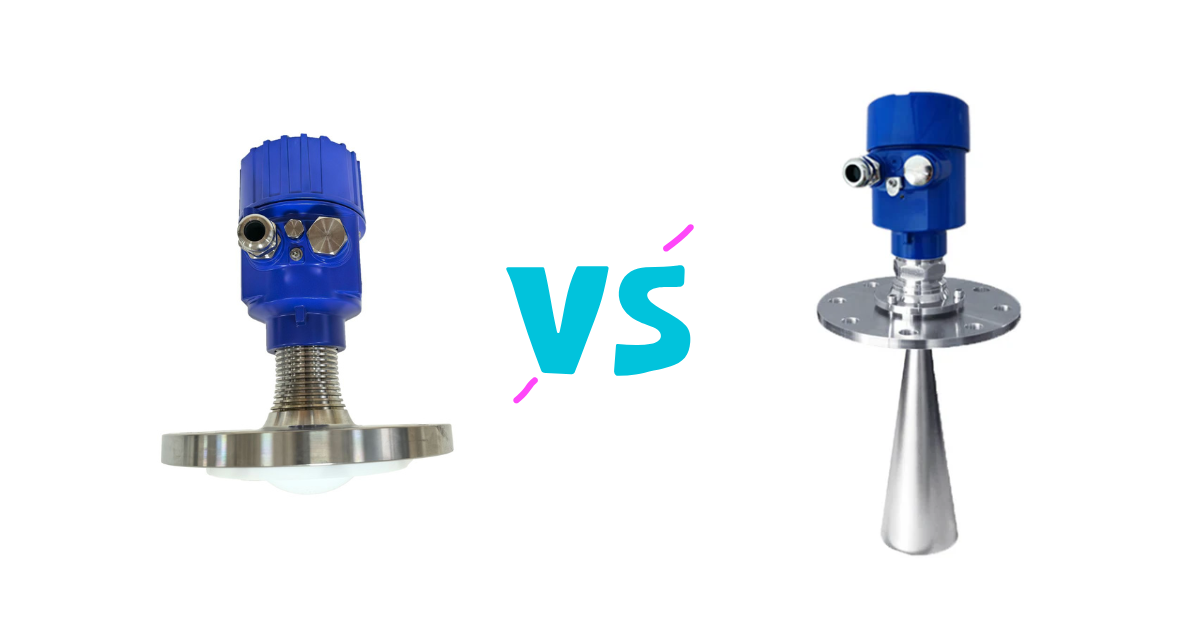
| Comparison Item | 80G Radar Level Transmitter | 26G Radar Level Transmitter |
|---|---|---|
| Operating Frequency | 78–82GHz, millimeter-wave band | 24–26GHz, centimeter-wave band |
| Wavelength | Approx. 3.75–4mm (size of a rice grain), extremely short wavelength | Approx. 11–11.5mm (width of an index finger), relatively long wavelength |
| Beam Angle | Extremely narrow, typically 1°–3°, highly concentrated energy | Relatively wide, typically 8°–20°, dispersed energy |
| Measurement Accuracy | High precision, up to ±0.1mm ~ ±3mm, ultra-high resolution | Standard accuracy, approx. ±5mm ~ ±10mm, meets basic measurement requirements |
| Dead Zone | Extremely small, as low as 0.4m (some models ≤5cm), suitable for small measuring ranges | Larger, starting from 8cm normally, more suitable for large-range measurement |
| Antenna Size | Compact; planar antenna is only about 50mm, saving installation space | Larger, mostly horn antenna with diameter around 150mm, requiring larger installation space |
| Maximum Measuring Range | Standard 0–70m; some models reach 120m | Standard 0–70m; some models cover up to 100m |
Conclusion: The high-frequency characteristic of 80G radar delivers advantages for precision measurement, while the centimeter-wave characteristic of 26G radar focuses on long-range coverage and strong penetration.
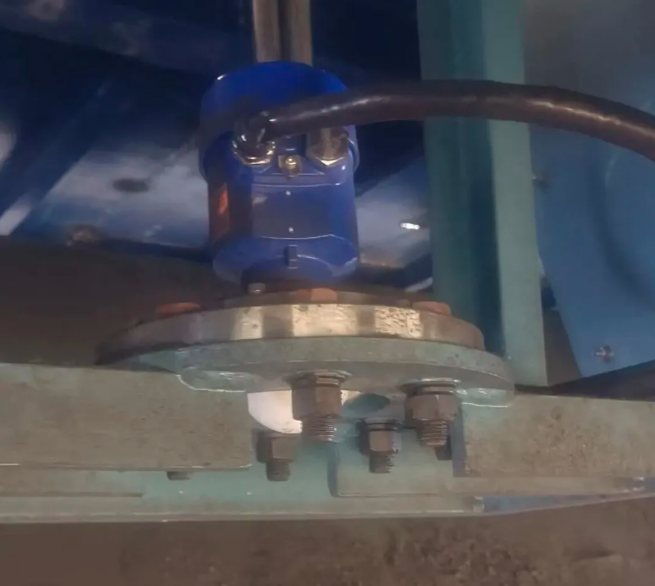
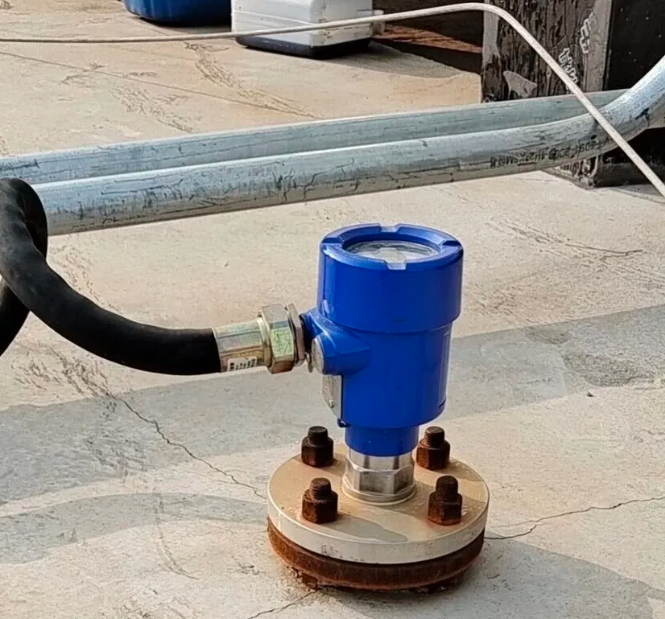
In summary, the 80G radar level transmitter acts as a precision instrument, focusing on high accuracy and anti-interference to satisfy refined production demands of modern industry. The 26G radar level transmitter is an all-round workhorse featuring stability, durability and cost-effectiveness for harsh and rugged industrial applications. When selecting models for industrial sites, comprehensive evaluation shall be carried out combining medium properties, vessel dimensions, environmental conditions, accuracy requirements and budget. Only by selecting the most appropriate model can accurate, stable and efficient level measurement be realized, guaranteeing production safety and operational efficiency.
Professional OEM & ODM Manufacturer
Tailored products to meet your complex working conditions.

Shaanxi NuoYing Automation Instruments Co., Ltd.
Navigation
Navigation
Contact Us
+86 182 1004 9286
+86 182 1004 9286
+86 182 1004 9286
Block V5, Ronghao Industrial Town, Gaoling District, Xi'an, Shaanxi, China.